



Parrots are among the most beloved birds in Indian households — their vivid plumage, remarkable ability to mimic human speech, and playful intelligence have made them cultural fixtures in Indian homes for generations. However, what many pet lovers do not realise is that the legal landscape around keeping parrots as pets in India is far more complex, and in many cases far more restrictive, than it might appear. The short answer is nuanced: keeping certain parrots is regulated or outright illegal under Indian law, while keeping others — specifically foreign or exotic species bred in captivity — is permitted under specific conditions.
Understanding this distinction is critical. Ignorance of the law is not a defence, and violations of India’s wildlife protection framework can result in serious penalties including heavy fines, confiscation of the bird, and even imprisonment.
The Key Law: Wildlife Protection Act, 1972
The primary legislation governing parrot ownership in India is the Wildlife (Protection) Act, 1972 (WPA) — a comprehensive law enacted to protect wild animals, birds, and plants from exploitation, illegal trade, and extinction. The Act classifies protected species into Schedules based on the level of protection they require, with Schedule I offering the highest protection and Schedule IV offering a lower but still significant degree of protection.
Most native Indian parrots — including all species of parakeets indigenous to the subcontinent — are listed under this Act, making their capture from the wild, sale, purchase, and possession without authorisation a punishable offence.
Which Parrots Are Protected and Which Are Permitted?
| Species | Native / Foreign | Legal Status Under WPA | Notes |
| Rose-ringed Parakeet (Indian Ringneck) | Native Indian | Protected — Schedule IV — regulated | Cannot be captured from wild; possession needs compliance |
| Alexandrine Parakeet | Native Indian | Protected — Schedule I — highest protection | Highest restriction — significant population decline |
| Plum-headed Parakeet | Native Indian | Protected — Schedule IV — regulated | Regulated under WPA — permit required |
| Malabar Parakeet | Native Indian | Protected under WPA | Native species — restricted ownership |
| Indian Grey Parrot | Native Indian | Protected under WPA | Restricted |
| Budgerigar (Budgie) | Foreign / Exotic | Legal as pet | Foreign origin — not covered under Indian WPA |
| Cockatiel | Foreign / Exotic | Legal as pet | Foreign origin — permitted |
| African Grey Parrot | Foreign / Exotic | CITES regulated | Requires CITES documentation on import |
| Lovebirds | Foreign / Exotic | Legal as pet | Permitted with ethical sourcing |
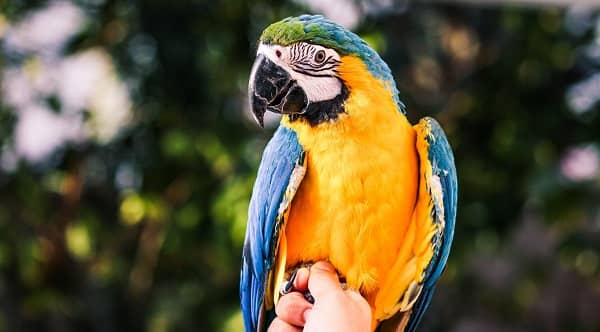
| Macaw | Foreign / Exotic | CITES regulated — some species | Documentation and CITES permit required |
What the Law Actually Says
Under the Wildlife Protection Act, 1972, the capturing, trapping, trading, transporting, or possessing any protected bird — including native Indian parakeets — without authorisation is illegal and punishable. Penalties under the Act include fines that can run into several lakhs of rupees and imprisonment of up to three years for first offences, with higher penalties for repeat violations. Forest officials are empowered to conduct raids, rescue birds found in illegal captivity, and release them back into the wild.
The Act also means that buying a native parrot from a roadside vendor, a local pet shop, or an online platform — no matter how normalised the practice may be in informal markets — is technically an illegal act. The fact that parrots are widely sold in bird markets across India does not make such purchase legal; it reflects enforcement gaps rather than legal permissibility.
Can You Legally Own a Native Parrot at All?
In a limited sense, yes — but the conditions are strict. A licence issued by the appropriate state wildlife authority is required for legal possession of native parrots. This licence requires proof that:
- The bird was not captured from the wild
- It was sourced from a certified, licensed breeder
- You can provide proper care — appropriate cage, nutrition, and regular veterinary attention
- The bird’s welfare meets the conditions prescribed by the relevant state wildlife authority
Permits typically require annual renewal and are state-specific — if you relocate, a new permit application or transit permit from the Chief Wildlife Warden is required.
State-Specific Rules
Different states in India have introduced additional layers of regulation beyond the central WPA:
| State | Status |
| West Bengal | Plans to ban keeping of all native Indian bird species as pets; only foreign species permitted under a stringent and expensive breeding licence |
| Maharashtra | Active enforcement — major crackdowns, including a 2015 Maharashtra raid where over 100 illegally bred parrots were seized |
| Most other states | Follow WPA framework with state wildlife authority oversight |
Ethical Considerations Beyond Legality
Beyond the legal question, wildlife experts and ornithologists consistently raise important ethical concerns about keeping parrots as pets. Parrots are highly intelligent, deeply social creatures that require large spaces, complex mental stimulation, and companionship. Cage confinement — particularly in small cages sold in common pet markets — causes documented psychological distress, feather plucking, and repetitive behaviours in captive parrots. The illegal capture pipeline from wild birds for the pet trade is also a significant driver of habitat-linked population decline in native parakeet species.
Legally Permitted Alternatives to Native Parrots
| Alternative | Description |
| Budgerigar (Budgie) | Foreign species — the world’s most popular pet bird — legal, affectionate, and highly trainable |
| Cockatiel | Foreign species — gentle, easy to tame, excellent beginner pet bird |
| Lovebirds | Foreign species — sociable, colourful, legally available in India |
| Bird Rescue Adoption | Adopt from a licensed bird rescue centre that holds legal custody and permits |
| Birdwatching | Support wildlife sanctuaries and birdwatching to appreciate parrots in their natural habitat |
Frequently Asked Questions (FAQs)
Q1. Is it illegal to keep a parrot in India?
A: Keeping native Indian parrots (parakeets) without a permit is illegal under the Wildlife Protection Act, 1972. Foreign species like budgerigars and cockatiels are legally permitted.
Q2. Which parrots can you legally keep in India?
A: Foreign-origin species like budgerigars, cockatiels, and lovebirds are legal. Native species require a permit from the state wildlife authority.
Q3. What is the penalty for keeping an illegal parrot?
A: Penalties include confiscation of the bird, fines of several lakhs, and imprisonment of up to three years under the Wildlife Protection Act.
Q4. Is the Alexandrine Parakeet the most protected parrot in India?
A: Yes. The Alexandrine Parakeet is listed under Schedule I of the WPA — the highest level of protection — due to significant population decline, making its possession the most restricted among Indian parakeets.
Q5. Can I buy a parrot from a pet shop legally?
A: Only if the pet shop is licensed and the bird is a foreign species or a properly documented, captive-bred native species with all required wildlife authority permits. Purchasing wild-caught parrots from any source is illegal.
Q6. Is West Bengal stricter than other states on parrot ownership?
A: Yes. West Bengal has introduced measures to ban keeping of native Indian bird species entirely, allowing only foreign bird species under strict licensing conditions.
Q7. What should I do if I already have a native parrot at home?
A: Contact your state wildlife authority to explore regularisation options, or surrender the bird to a licensed rescue centre. Proactive compliance is far better than risking enforcement action.
Q8. Are imported parrots like African Greys legal in India?
A: Exotic foreign parrots imported into India require CITES (Convention on International Trade in Endangered Species) documentation. Some species are permitted with proper certification; others are strictly regulated due to their endangered status.